It’s been a tumultuous year. When 2025 began, the state of things already felt in upheaval. Whether it be technology, trade, or just pop culture, everywhere you looked was chaos. Obviously that’s only gotten turbo-charged by year’s end as we now take stock of bidding wars, great storytellers taken from us too soon, and whatever the heck is going on with AI.
But what can get lost in such tidings are the stories of goodwill; the moments of grace; the pauses we must savor while embracing our commonality and fellowship. The big screen remains one of the last great touchstones for such gatherings, and though its popularity might diminish, cinema’s power has never dimmed. There have been a number of great cinematic experiences this year that have tied us together, and plenty more underseen or underappreciated that deserve better attention. So with that in mind, here’s a toast to the best films of the year that was.

25. Frankenstein
Guillermo del Toro has been chasing the dream of Frankenstein since he was six years old. It shows in a passion project that is gorgeously wrought and acted, if perhaps not quite as exquisite as the del Toro fantasias it’s already inspired earlier in his life. As a standalone interpretation of Mary Shelley, however, it is the most aesthetically sumptuous retelling since the days of James Whale and features a performance by Jacob Elordi as the Creature that’s more fragile than Christ cast in stained glass mural. We wouldn’t call him a monster, nor necessarily even Shelley’s fallen angel of the page, but it’s a turn that makes the movie a worthy addition to the Frankenstein canon.
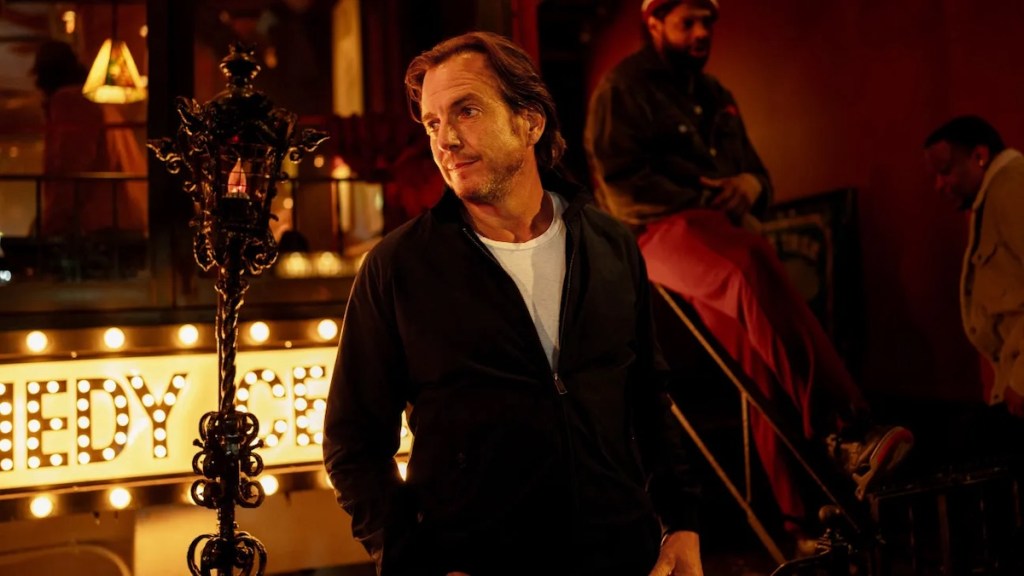
24. Is This Thing On?
Bradley Cooper steps again behind the camera and for the first time without directing himself as lead. He should do so more often since Is This Thing On? feels like a small but sweetly intimate palate cleanser after Maestro’s excesses. It also casts Will Arnett in a paradigm-shifting role as a standup comic trapped in what at first appears to be a wistful drama. As Arnett’s middle-aged finance bro confesses the first time he picks up a mic at the Comedy Cellar, he has no idea why he’s doing this but he thinks he is going through a divorce. The first clue was he’s living in the city and his wife and children are not. Dammit if the audience doesn’t laugh.
Apparently much of the “comedy” was improvised by Arnett, who himself had never done standup until Cooper cast him to lead this story and placed a camera at what seems to be centimeters from his face. It’s compelling, as is the larger exploration of the catharsis of art. But as with every Cooper directorial joint to date, the film is most interested in the interplay between creativity and intimacy, and how much more messy that can become after 20 years of marriage and waylaid dreams in the case of Arnett’s Alex and an excellent Laura Dern as estranged wife Tess.
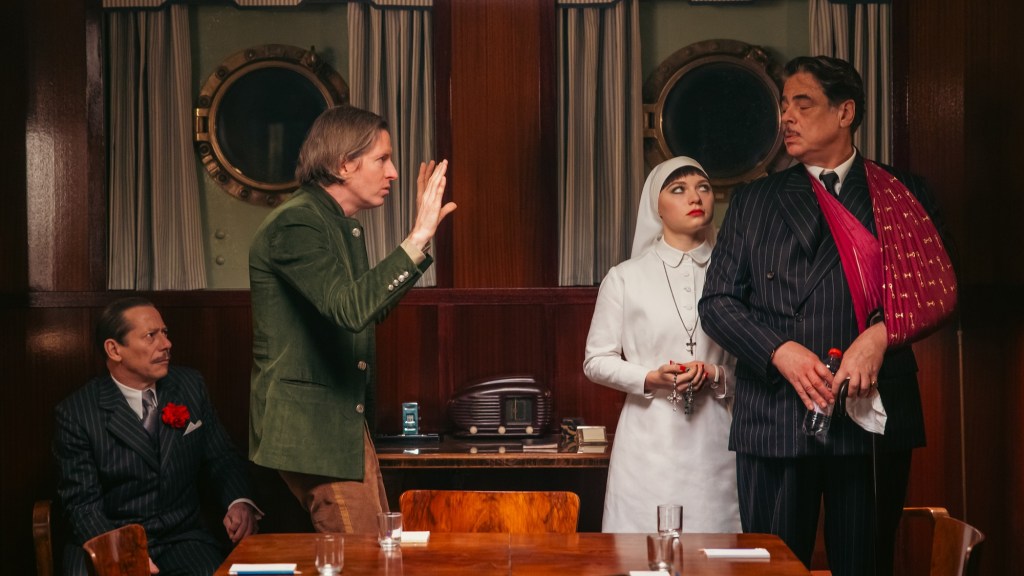
23. The Phoenician Scheme
More than a decade after The Grand Budapest Hotel, Wes Anderson’s latest feels like a return to form for the master of the symmetrical frame. That’s because while the lines remain obsessively straight in cinematographer Bruno Delbonnel’s storybook compositions, the characters inhabiting them feel refreshingly human. A full-chested Benicio del Toro domineers the frame even while rarely raising his voice above a monotone whisper. Luckily, this familiar Anderson contrast takes on pathos when del Toro’s industrialist is reunited with an estranged daughter and prospective sister of the cloth, Liesl (Mia Threapleton, terrific).
Strained dynamics between lousy fathers and adult children is familiar terrain for the helmer but new fault lines are unearthed this time, perhaps because the director is now closer in age to del Toro’s Zsa-zsa than Threapleton’s Liesl. It also gives dramatic heft to Anderson’s acerbic style which is downright giddy in this yarn about cheats, scoundrels, and deep cut cinema references.
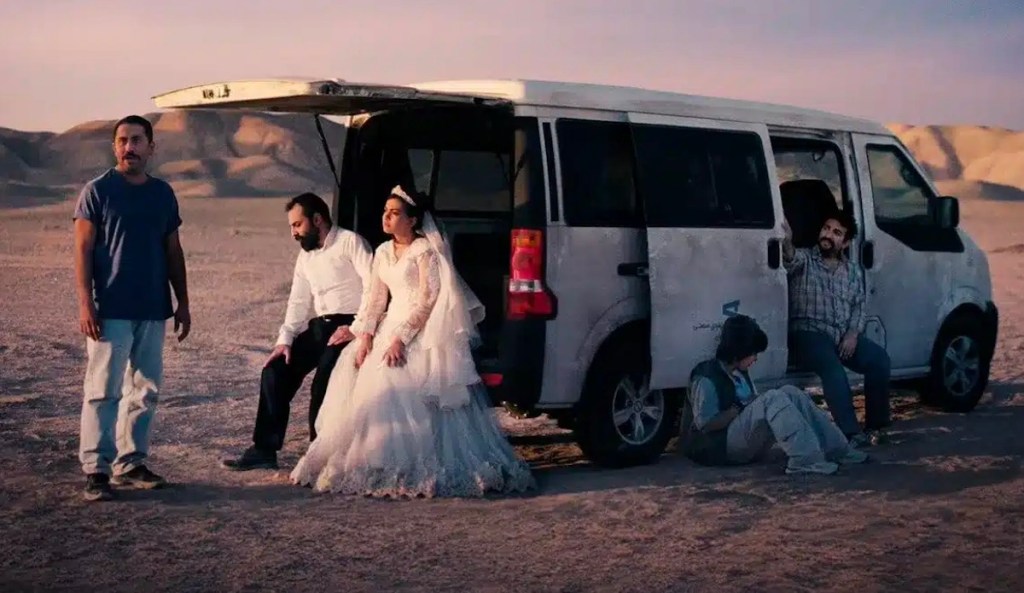
22. It Was Just an Accident
Writer-director Jafar Panahi filmed It Was Just an Accident on the streets of a Tehran still patrolled by Iran’s Revolutionary Guard. That act of bravery is itself an eye-opening achievement considering the film’s depiction of a repressed theocratic state where citizens are unable, whether physically or mentally, to move past lifetimes of oppression.
This is manifested in a loaded allegory wherein disparate strangers are connected only by the suffering they felt as wards of the government’s torture chambers. Now they think they’re able to turn the tables when they kidnap one of their lead interrogators. The only problem is no one is certain since they only ever heard his menacing voice through a black bag or blindfold. The politics of the film are not subtle, and the melodrama is a bit thick, but the authenticity is so palpable the film won the Palme d’Or.
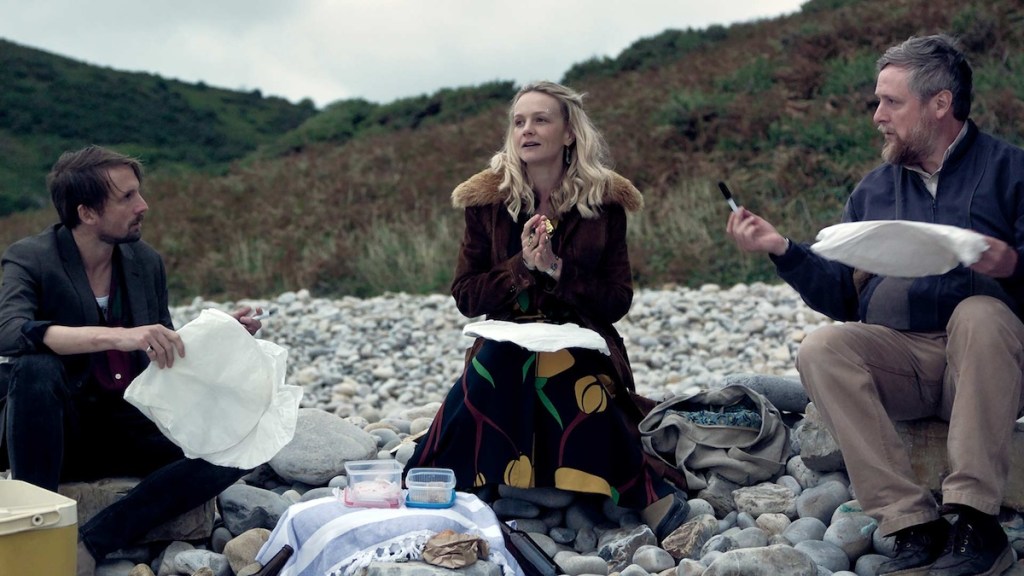
21. The Ballad of Wallis Island
Director James Griffiths and stars/writers Tom Basden and Tim Key previously made a version of The Ballad of Wallis Island as a short film in 2007. Waiting nearly two decades to turn the concept into a feature proved apropos for the wistful dramedy. While on the one hand this movie works as a satire of many a creative’s worst fear—being trapped on an isolated island with a worshipful fan—on the other it is a far more deliberate meditation on the music and cultural touchstones that shape us… and how those touchstones can become anchors dragging at our feet.
Such is the alternating lifestyles of both folk singer Herb McGwyer (Basden) and eccentric millionaire Charles Heath (Key). Charles has invited Herb to play an intimate concert of old 2000s hits for longtime fans on a hard-to-get-to island. Only when Herb arrives, he discovers the intimate audience consists of one lonely dude: Charles. Also Charlie invited Herb’s ex-girlfriend and achingly missed collaborator, the now married Nell Mortimer (Carey Mulligan). It’s a setup that can go many ways, and yet all of the collaborators, including a warmly reflective Mulligan, take it to a place that is never anything less than amusing and cozy. Be warned though, even warmth can burn.
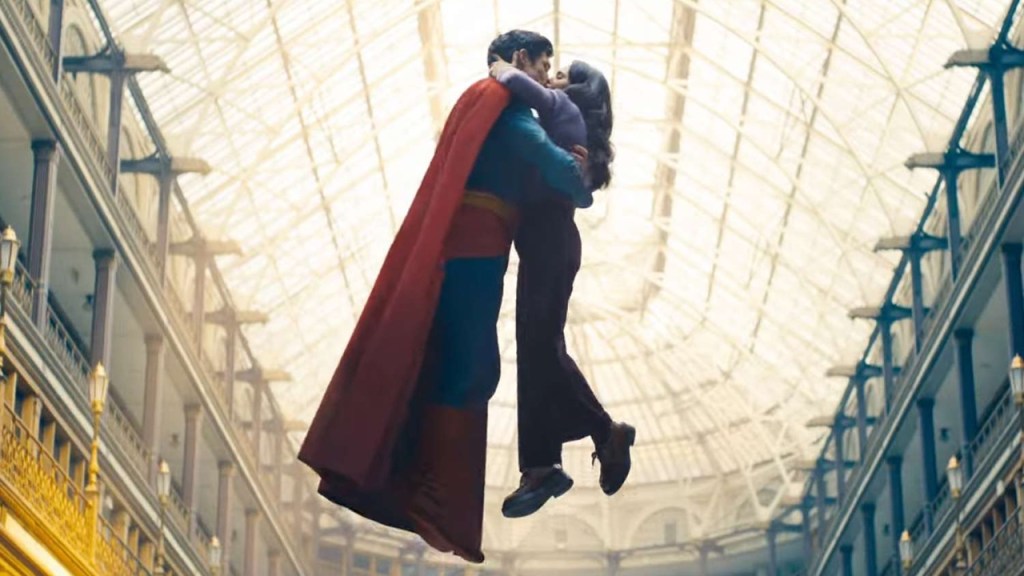
20. Superman
A quarter century on since a pair of claws and organic webshooters reinvented the modern superhero movie, the world of capes and cowls runs the risk of growing stagnant. There was even apprehension this time last year about one of the genre’s new darlings taking a stab at a character that has stumbled every other big screen suitor since the 1980s. Yet James Gunn’s Superman turned out to burst with an energy and joy that eludes most masked things nowadays, and it has gone a long way to restore confidence in not only men-in-tights summer tentpoles, but in the cinematic appeal of kindness unto itself.
David Corenswet makes for a Clark Kent who is unapologetically buoyant and bubbly, and Gunn in turn has the wisdom to juxtapose that square-jawed goodness against Rachel Brosnahan’s pitch perfect take on a Lois Lane. She’s her own Girl Friday. Known for his sense of irony and occasionally twisted humor, Gunn eschews both impulses while embracing an ebullience in a movie that has concern for everyone—even a squirrel in peril. The film features a number of the drawbacks which bedevil many modern superhero movies, including a surplus of characters and universe-building, but a picture that has the confidence and restraint to spend 20 minutes between Lois and Clark debating the finer points of ethical journalism, or the merits of punk rockery, really does know how to fly.

19. Eternity
The best love triangles to watch (if not experience) are those without an easy answer. In which case, ooh boy is Elizabeth Olsen’s Joan trapped in a good one during Eternity, David Freyne’s charming throwback to the high-concept rom-coms of Hollywood’s Golden Age. Like Robert Montgomery or Rex Harrison before her, Joan discovers her problems are only beginning when she gets to the afterlife and learns that in addition to reclaiming her youth, she must choose between her beloved husband of the last 67 years, Larry (Miles Teller), and that first great love who died during the Korean War and has waited for her ever since: Luke (Callum Turner).
The setup is strong, but it is the gentle amiability that Freyne cultivates in this deliberately paced laugher which ingratiates and beguiles. All three lead performances are played with empathy and affection, with Teller going against type as a nebbish sweater-vest on feet. Still, it’s really Olsen’s picture as a woman faced with an impossible choice and wisdom that seems to far exceed the years on her face. Freyne and co-writer Pat Cunnane’s screenplay never seek to downplay the potential tragedy or bittersweetness of their scenario, but those touches only heighten the absurdity of the rest of the material, with Zazu Myers’ retro Mediterranean chic production design becoming its own kind of cozy hell for a party of three.
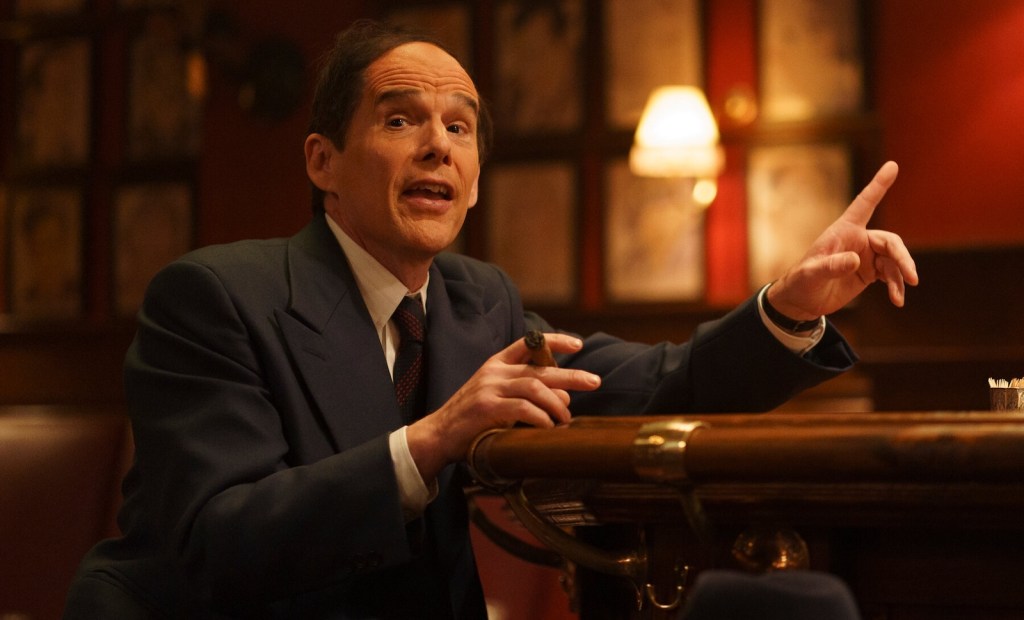
18. Blue Moon
At Sardi’s restaurant, the legendary Broadway haunt in New York City’s Theater District, the caricatured portraits of Richard Rodgers and Oscar Hammerstein hang in pride of place above the bar. As they should; this is the pair who invented the modern Broadway musical with Oklahoma! Nonetheless, it’s tragicomic that the portrait of Lorenz Hart, Rodgers’ first lyricist with whom he wrote songs like “Bewitched, Bothered and Bewildered,” “The Lady Is a Tramp,” and of course “Blue Moon,” is located somewhere else entirely removed from his legendary co-writer. Hart is forgotten—another face in a sea of well-blended countenances.
Richard Linklater recognizes this bitter irony in Blue Moon to such a degree that he and writer Robert Kaplow set their biographical study of Hart on a single evening at Sardi’s: the night Oklahoma! opened. With the grinning melancholy of a reflection in a martini glass, Blue Moon could have been a play but works beautifully as the rare type of adult drama they don’t make anymore. In a single night, it infers a lifetime of regrets and slights for the five-foot-flat, closeted genius who nurses a severe problem with drink but a great gift for wordplay. It also gift wraps Ethan Hawke one of the best roles of his career. He’s the clown aware of how his opera ends.
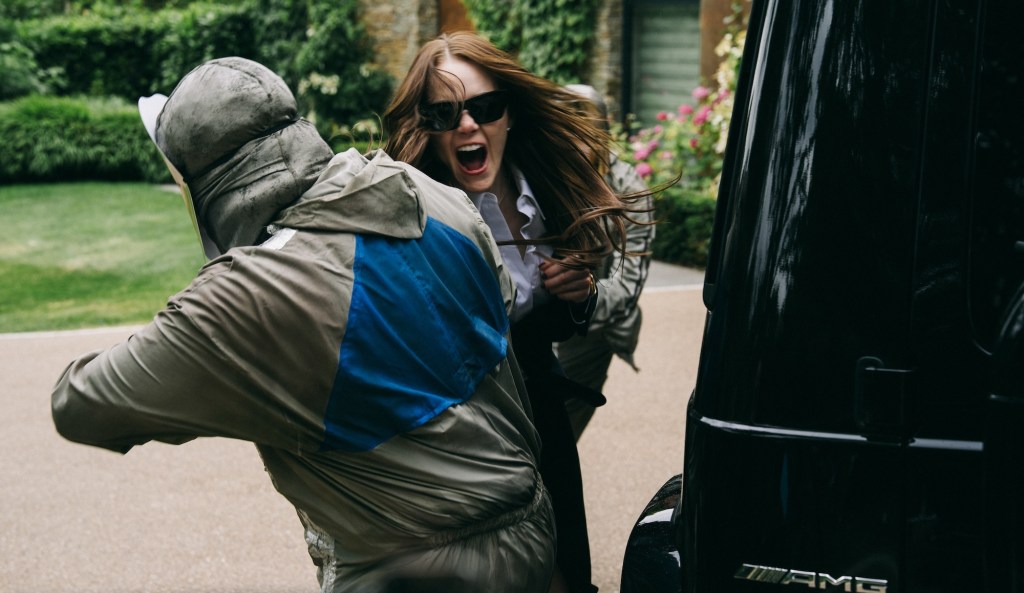
17. Bugonia
If the last few years have proven anything, it’s that Americans seem to be living on different planets. So leave it to Yorgos Lanthimos to make their accusations explicit in this deeply cynical allegory for the 21st century. The original idea actually hails from Korean filmmaker Jang Joon-hwan, who wrote and directed the same story 22 years ago in the little-seen Save the Green Planet! Even so, the acerbic filmmaker of The Lobster and Poor Things, working with Will Tracy who previously wrote The Menu and large swaths of Succession, make a compelling case for this story belonging in a post-Trump, post-facts West where one conspiracy theory nutter (Jesse Plemons) kidnaps his hometown’s pharmaceutical CEO queen bee (Emma Stone). Now he demands that she confess she’s an alien and take him to her leader.
By happily playing like a kid who’s found his dad’s gun with imagery of the terminally online, misogynistic loner and an untouchable C-suite aristocrat who knows how to bury secrets and bodies, Lanthimos makes the angriest movie of his career. It pairs nicely, too, with Plemons’ high-wire act of playing both a ghoul and a deeply damaged antihero, and Stone going full reptile, if not necessarily alien, with her Ripley in Alien 3 buzz cut and pitiless stare behind a media-trained smile. And yes, the ending is satisfying.





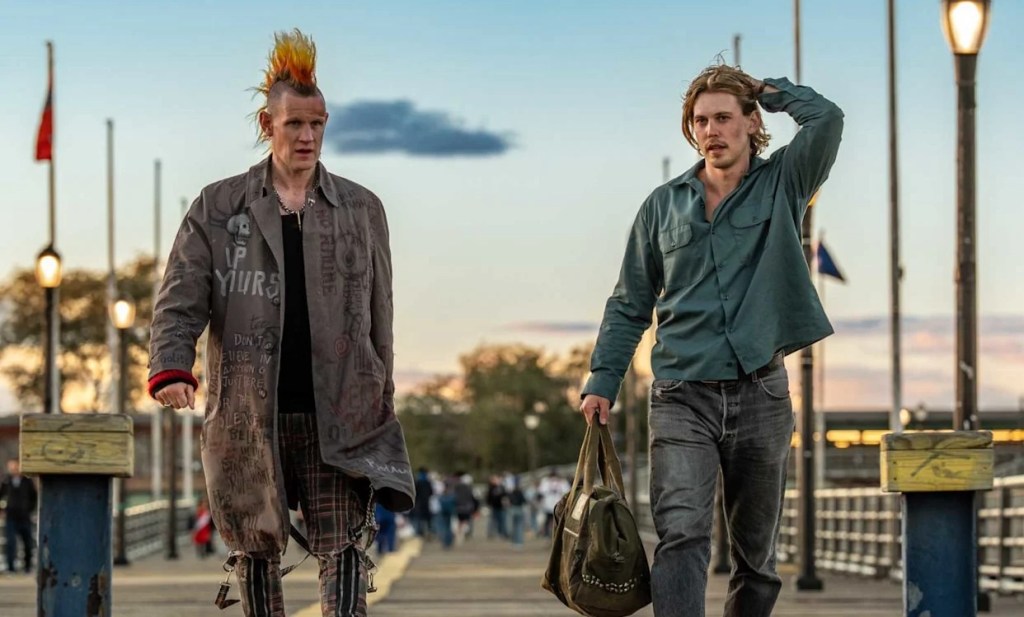
16. Caught Stealing
After nearly two decades of chasing awards and prestige, it’s nice to see Darren Aronofsky return to his roots and do a throwback thriller so retro that he went ahead and set it in the ‘90s. Based on Charlie Huston’s book of the same name (and which Huston adapted for the screen), Caught Stealing is a sprightly exercise in swagger over substance as it presents a hell of a week in the life of Hank (Austin Butler), a bartender in a pre-gentrified, sleazy Lower East Side. Hank has a chip on his shoulder because a drunk driving accident stole his baseball career, but the other shoulder is outright black and blue after Ukrainian mobsters get done with him.
See, the mobsters are on the lookout for Hank’s drug dealing neighbor Russ (Matt Smith in a glorious mohawk that was already out of fashion in 1998), but somehow a case of misplaced aggression leads to a sordid tale of booze, duffle bags stuffed with money, murder, and a very cute kitty. And I haven’t even mentioned the Hasidic hitmen played by Liev Schreiber and Vincent D’Onofrio that invite Hank over for Shabbat.
Caught Stealing isn’t particularly deep, nor does it need to be. It’s just the type of highly entertaining potboiler that used to be Hollywood’s bread and butter, and that still goes down smooth thanks to Aronofsky’s kinetic pacing and sharp eye for period aesthetics. Whether it’s watching Butler smolder with an otherwise underutilized Zoë Kravitz, or simply go along for the ride while Schreiber and D’Onofrio introduce him to Matzo Ball Soup whilst between shootouts, Caught Stealing’s is as playful as Alphabet City is scuzzy.
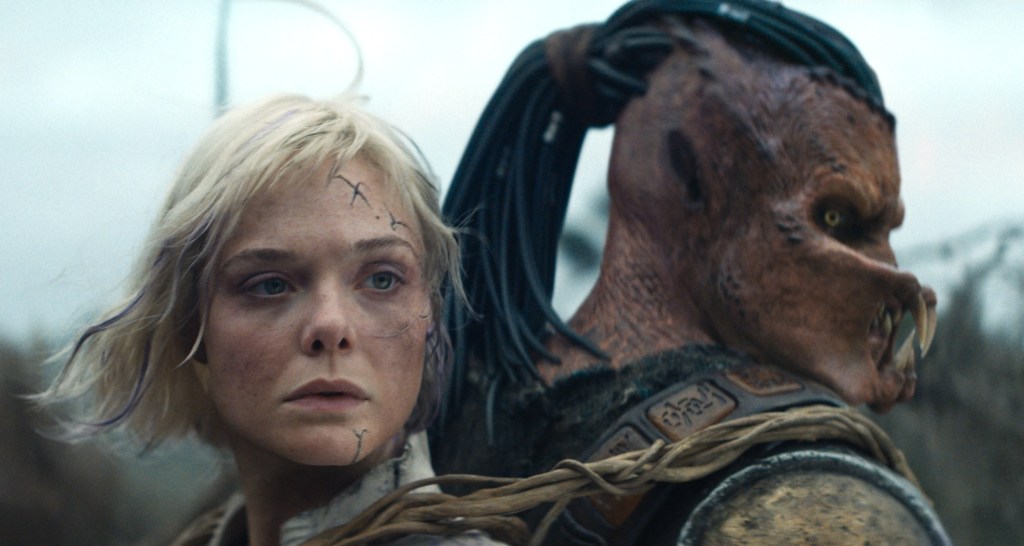
15. Predator: Badlands
If this list was based purely around onscreen buddy chemistry, then Predator: Badlands would be up there with a plasma caster. Admittedly Dek (Dimitrius Schuster-Koloamatangi) and Thia (Elle Fanning) make for a pretty odd coupling. He’s a galaxy-hopping Yautja out to prove his apex bona fides one severed head and ripped spine at a time; she’s a gabby Weyland-Yutani robo-gal lacking an off-switch—or for that matter legs. Yet when she pulls this banished Predator runt out of some tall grass with a sing-songy optimism that even disembowelment cannot dampen, genre sparks fly.
Much of this is a testament to the instincts of writer-director Dan Trachtenberg, who has said the idea of Predator: Badlands sprang from the mental image he had of a Predator carrying a bisected robot around its shoulders like a backpack. But more than a poster-ready silhouette, Trachtenberg conjures the old-fashioned sincerity of blockbusters past, even as he sacrifices the testosterone-drenched machismo of the Predator brand specifically for something that feels a little more Amblin-esque in nature. Fanning also deserves many flowers since she is practically having a conversation with herself half the movie, and has enough boundless charisma for that to be in the film’s favor. She gets to be a synthetic Scarecrow to Schuster-Koloamatangi’s brooding and brutish Dorothy. If only she had the legs to dance along a yellow brick road of glowy green blood.
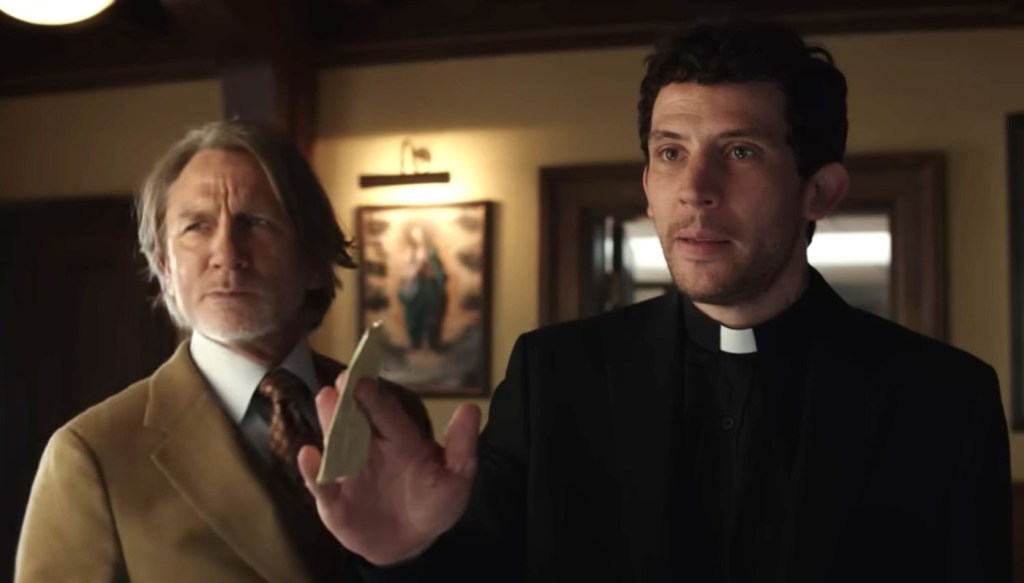
14. Wake Up Dead Man
Up until now, each of Rian Johnson and Daniel Craig’s Benoit Blanc mysteries have, like the original title promised, kept their knives out. They are satires seeking to weigh, judge, and most definitely devour its cast of rich and affluent suspects, even if only one of them gets carted off to prison at the end. Which makes Wake Up Dead Man both a departure and a genuine grace note for the filmmakers in every sense of the term. Using a kooky locked room mystery to partner the writer-director’s intense skepticism—as exemplified by Blanc at his grayest—with a lifelong need to believe in kindness and forbearance, a la this film’s true protagonist Father Jud Duplenticy (Josh O’Connor), Wake Up Dead Man is a hymn to the harmony which can exist between faith and reason.
Both aspects are approached with warmth and intelligence by a screenplay still good-humored enough to keep audiences entertained by the mystery of a monsignor slaughtered in some impossible manner. But it is the compassion the film has for Father Duplenticy’s own need to empathize and protect his flock that gives the thing its soul—that and O’Connor’s eyes pleading, even while staring into the countenance of a murderer.
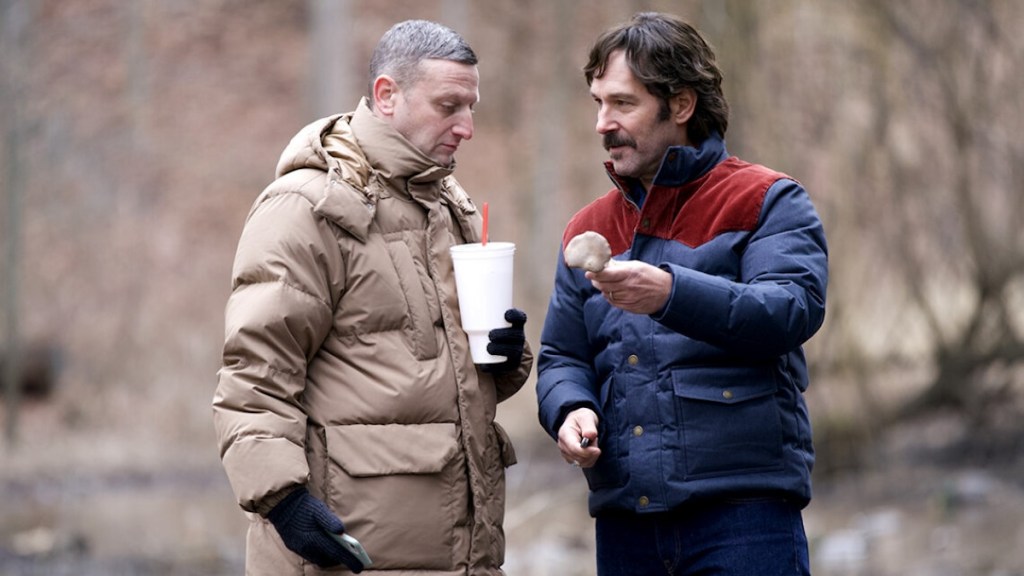
13. Friendship
Tim Robinson’s brand of comedy can be an acquired taste. Reliant on evoking cringes until your muscles hurt, his gags have always been punishingly cruel. Now that sadism has been elevated to a joyous place in Friendship, a new laugher written and directed by Andrew DeYoung that gets a lot of mileage out of our familiarity with Paul Rudd. After all, Paul Rudd is a cool dude, and his onscreen Austin is indeed the coolest with his Anchorman-era ‘stache and I Love You Man smile.
But it’s only after audiences are encouraged to recognize Robinson’s needy and pathetic Craig is more than just a clinger, but also a kind of milquetoast 2020s Travis Bickle, that the penny drops. Friendship is a comedy told from the delusional POV of the villain. So watching him destroy his marriage to Kate Mara, his heinous job at a parasitic tech company, and eventually even his bromance with Rudd offers a biblical degree of schadenfreude. Also just wait for the toad glands scene.
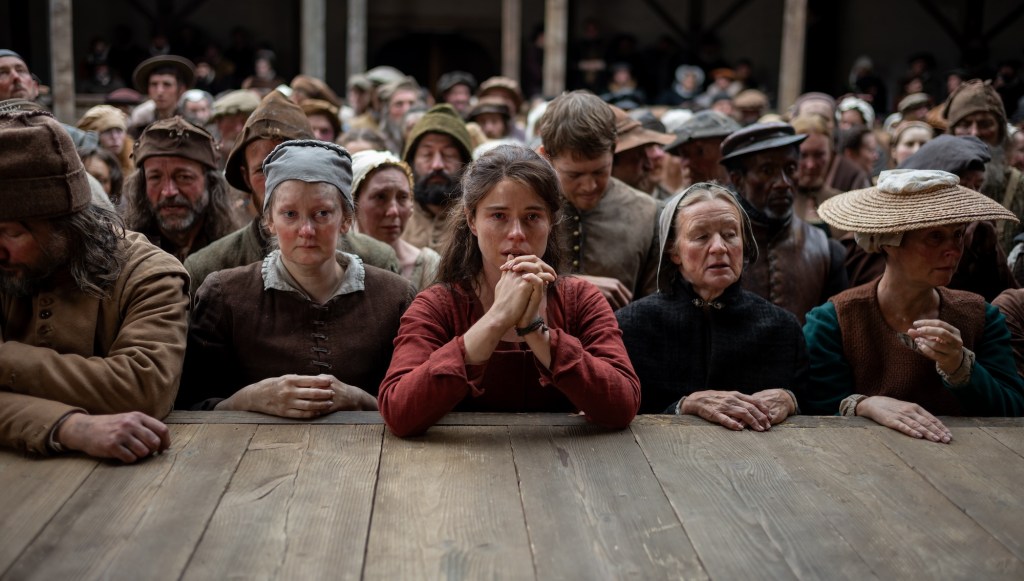
12. Hamnet
It is still a matter of scholarly debate whether there is any correlation between Hamlet, William Shakespeare’s four-hour classic that grapples with death and the riddle of mortality, and the fact that the Bard had a young son named Hamnet who died three years before the first Danish prince trod the Globe Theatre’s boards. It’s fair to say Chloé Zhao’s Hamnet disposes of such obtuse pedantry within seconds while suggesting the greatest tragedy of Shakespeare’s life was the family he left behind in Stratford.
Told solely from the perspective of neglected wife Anne Hathaway—here called by her nickname Agnes and pronounced “Anyers” in early modern English—Hamnet is as meditative and discreet as you’d expect from the filmmaker of Nomadland. It also is exquisitely devastating courtesy of Jessie Buckley’s heart-rinding turn which can express entire folios in a single, strained glance. While the film indulges Zhao’s preference for the natural world, taking on an even storybook and pagan quality when Agnes first meets the local poet and tutor (Paul Mescal) in the woods, it’s when Hamnet finally goes to London town, and Agnes and audiences see for themselves what Will has become, that the movie’s paean to the myriad complexities of motherhood finds its unutterable glory.
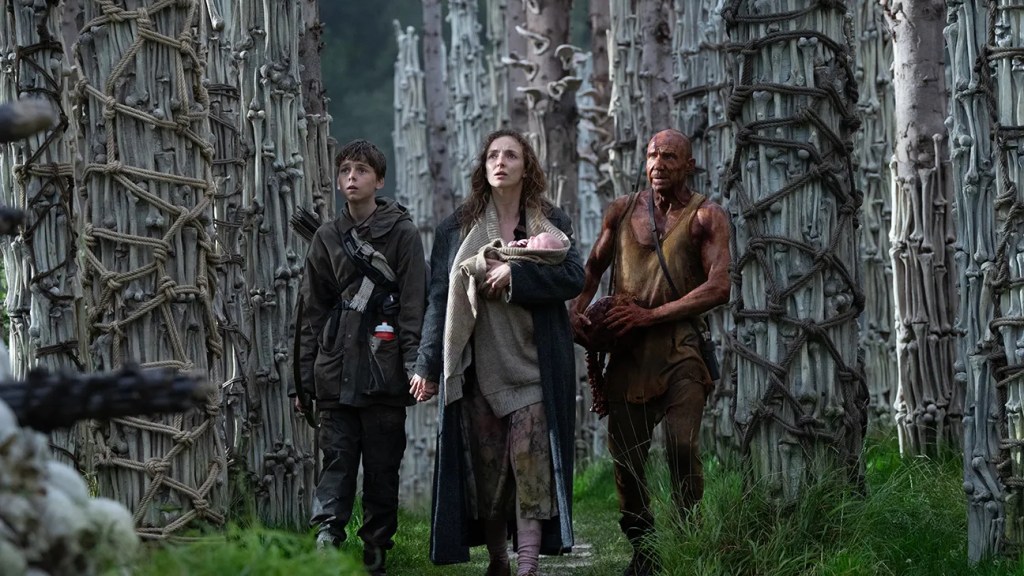
11. 28 Years Later
It may not have been a full 28 years since Danny Boyle and Alex Garland transformed the zombie subgenre forever, but it turns out we waited long enough for this grandly meaty, if curiously bucolic, exercise in horror. To be sure, Boyle announces early and with maximum wrath that he can still channel the frantic energy of his early oeuvre with the editing of a 2002-set zombie attack packing more fury than the rage-infected “zombies” carrying this series’ fateful virus.
But it’s the subsequent time jump that unveils the movie’s loftier and elegiac concerns. Abandoning the urban dystopia of the original for an agrarian serenity that is positively medieval, 28 Years Later is an adroit metaphor for a UK stuck perpetually in the past after the rest of the 21st century left it behind. The greatest horror is the future generations unaware of the world their elders have forsaken. Still, in its primeval return to an England where life ebbed and flowed with the turnings of the tide, there is also a deep appreciation for the difference between a good and bad death that feels transgressive in a movie playing with Hollywood money.

10. If I Had Legs I’d Kick You
The first time I saw Mary Bronstein’s If I Had Legs I’d Kick You was for a genre festival in Austin, Texas. In a weekend suffused with horror movies, chillers, and other assorted terrors, Legs was the most intense thing playing, bar none. It also might have been the funniest and most thrilling since the picture is a tonal and emotional magic trick. Such imagery also describes its apocalyptic vision of motherhood.
The best of the recent mom trauma movies to dominate arthouses, Bronstein’s Legs innovates the unreliable narrator conceit by immersing viewers in a grainy, 16mm trance state that suggests either sleep deprivation or delirium while taking on the perspective of Linda (Rose Byrne). Never once is the audience allowed to ascertain what is objectively occurring in the life of a mother with a child suffering from an undiagnosed illness, but by virtue of Bronstein refusing to ever show the daughter’s face (or give her a name), Linda’s sense of obligation takes on an oppressive quality that borders on demonic. It can also be darkly funny as Byrne provides a tour de force that flits between gallows humor and warm, inviting despair. It’s the performance of the year, synthesizing a tornado of impulses and brava choices. And it’s in service of a movie so twisted that it casts Conan O’Brien as the most humorless figure in the whole thing.
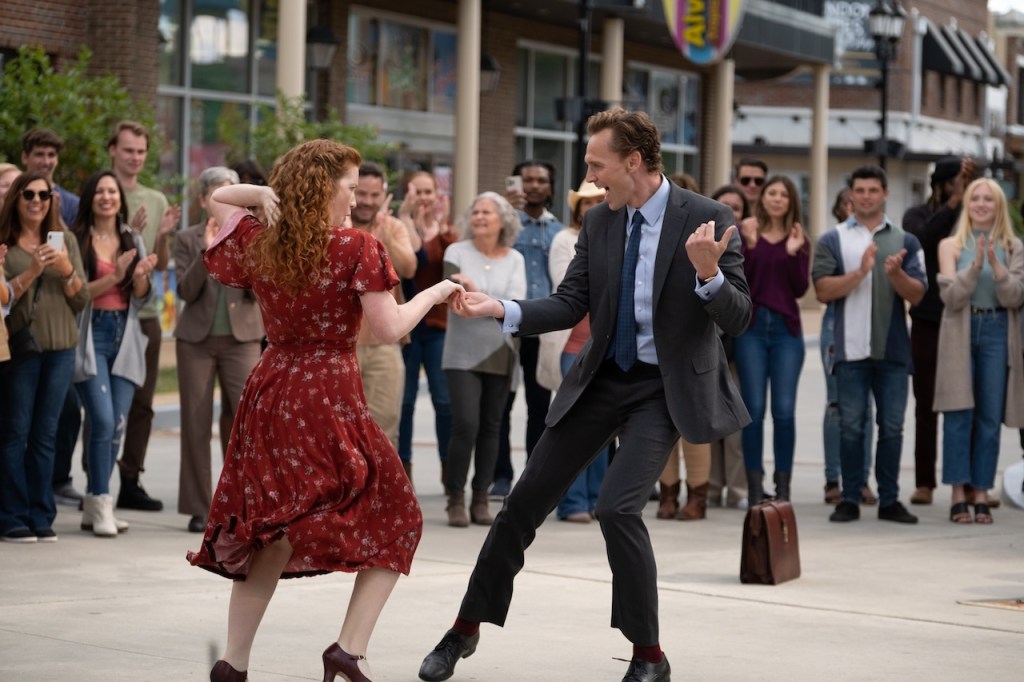
9. The Life of Chuck
Stephen King is an author usually celebrated for his gift for suspense and terror. Yet his constant readers know him just as well for the soft humanism and moral certitude he laces throughout most of his writing. It seems safe to say that writer-director Mike Flanagan can be counted as one of those admirers. The filmmaker already has given us the best King adaptations made in this century, including Gerald’s Game and Doctor Sleep. Now The Life of Chuck can be added to the list. Like Rob Reiner and Frank Darabont before him, Flanagan has picked up one of King’s less well-known tales or short stories that is only the sentimentality—no pesky horror this time, please! Instead we’re in for entirely “good vibes,” even with an enigmatic mystery set during the end of the world.
Indeed, the apocalypse does appear to be nigh in one of the film’s disparate vignettes where disasters around the globe are said to be occurring. But Flanagan nor Life of Chuck give them any mind while focusing on the failed but enduring marriage of Marty (Chiwetel Ejiofor) and ex-wife Felicia (Karen Gillan). How this narrative connects with other chapters about a handful of days in the life of a mild mannered accountant named Chuck (Tom Hiddleston, Benjamin Pajak, and Jacob Tremblay, depending on the sequence) is perhaps the biggest mystery of all. But the logic of the narrative is far less important than the emotional truth it evokes every time one of the Chucks gives into the ache in his heart, or the twinkle in his toes. Some might call it saccharine, but I call it a sublime crowdpleaser that needs to find a bigger venue.

8. Pillion
While currently enjoying a UK release, Harry Lighton’s Pillion will not be released Stateside until February. It is perhaps for that reason the film has fallen under the radar in many end-of-year discussions. If so, it’s an injustice for what is is simultaneously the most unorthodox and unabashedly yearning love story we have had in some time. A cinematic encapsulation of the yearlong romance between a dominant (Alexander Skarsgård) and his sub (Harry Melling), Pillion seems destined to push buttons, even if the NC-17 cut of the film will apparently be reedited down to R in the States next year.
The film is quite graphic in its leather-clad depiction of a relationship that on the surface is unquestionably imbalanced. But the more you get to know about Skarsgård’s Ray and Melling’s Colin, the more you appreciate a film that neither condones nor condemns what some would see as an erotic fantasy, and others a nightmare. For his part, Lighton chooses to depict a journey of one inexperienced partner learning a lot about love and himself in a tragicomic union where little is spoken due to Ray’s circumspect nature, but volumes are felt. Skarsgård has the more challenging role as a figure who could on paper read as a cipher, but the Swedish actor is able to wrap his arms around the ephemeral heart of a story, wrestling out a surprisingly droll sense of humor in the material. Well that, and maybe even a flickering of conventional affection, which complements the moist sadness in Melling’s eyes whenever his Viking god vanishes.

7. Black Bag
More than one cynic has observed that marriages can be cold wars. Few though actually come with literal government surveillance equipment and the potential for a body count. If that sounds extreme, you absolutely must meet George Woodhouse and Kathryn St. Jean, Michael Fassbender and Cate Blanchett’s fascinating MI6 power couple in Steven Soderbergh’s slippery Black Bag. Benefitting from an erudite and underhanded screenplay by David Koepp (who hasn’t been this playful in years), Black Bag is another throwback, this time to when sharp thrillers could be seen as date night entertainment for adults who like their thrills served in a frosted glass.
Black Bag even begins with the dinner party from hell where the divinely played George and Kathryn invite all their coworkers in espionage, including a showy ensemble with Regé-Jean Page, Naomie Harris, Tom Burke, and Marisa Abela, to dine. Unbeknownst to the guests is that George slipped some truth serum into the roast. It certainly makes for lively table conversation. It also acts as an opening salvo for a story about the risks that come with trust, loyalty, and knowing your partner in a setting where the stakes are no less high than treason and summary execution.
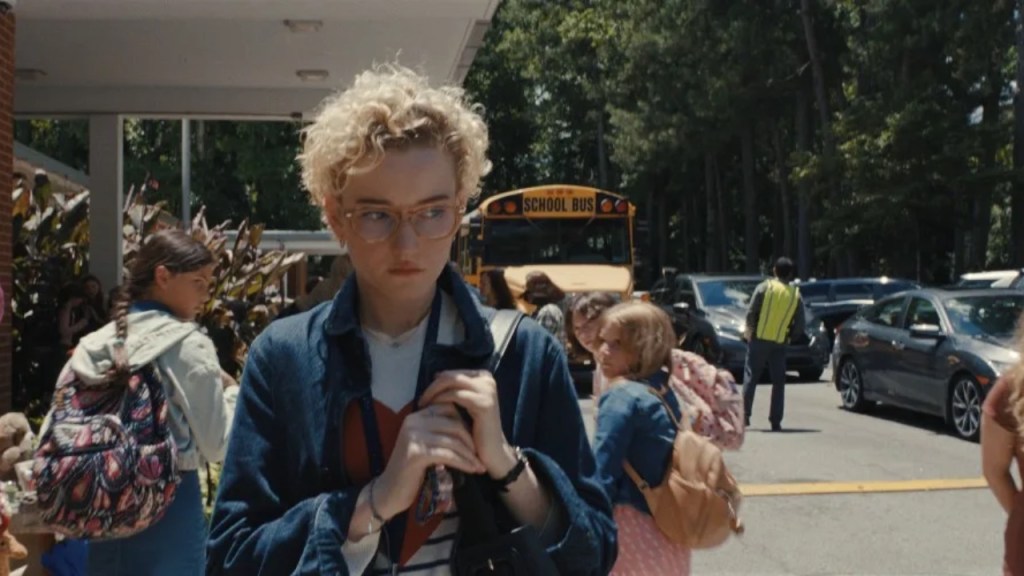
6. Weapons
Writer-director Zach Cregger is adamant that his latest melding of horror and humor is not about anything specific. Or rather, it’s not about anything we can easily infer, as he so claimed in multiple interviews that acknowledged the personal tragedy which inspired the story but always included statements to the effect of “I have nothing to say with this movie.” That might be his public stance, but any piece of art that pertains the ghostly projection of an AR-17 floating above a classroom is screaming a whole hell of a lot in modern day America, whether the author cops to it or otherwise.
A return to high-concept mysteries that would sprinkle a dusting of the supernatural on top, Weapons takes fiendish pleasure in its centerpiece puzzle: Why would nearly an entire classroom of elementary schoolers rise from their childhood bedrooms and run into the dark at 2:17 a.m.? The answers discovered by their teacher (Julia Garner) and a grieving father (Josh Brolin) who would blame her for his son’s disappearance, are as satisfying as they are unexpectedly primal. This is achieved by casting an overwhelming pallor of ambiguity over the proceedings before a final, triumphant puncturing of that dark cloud. Still, the reason the film gnaws at the imagination is that like all catastrophes which invade our schools and communities, the consequences linger long after the danger’s abided. We suppose, apparently coincidentally, like the specter of an assault rifle over a once innocent but now desecrated school.

5. No Other Choice
Over the last decade, Korean cinema has done a better job at pinpointing the rot of 21st century capitalism than almost all celluloid and digital Western fiction. So it tracks that when it came time to adapt Donald Westlake’s scathing satire of a deadly job market in The Ax (1997), the task would fall to Oldboy and Decision to Leave master Park Chan-wook. Relocating the tale to Seoul and in an even more ruthless era of automation and encroaching AI, No Other Choice offers a pitch black study of an upper-middle class maestro in paper production (Lee Byung-hun) who finds himself without a job and unable to claim the single musical chair left in his industry when three other out-of-work paper executives are all up for the same job. If only there was some way to… eliminate the competition?
Despite being an obvious student and product of Eastern cinema, Park has always had more than a touch of Hitchcock in his vision board, and he brings that out with a film that takes perverse pleasure in the haphazard homicidal daydreams that become action here. He outright makes a hero of a would-be killer that might seem nefarious if he wasn’t so endearingly clumsy in his desperation to keep the family home, pay for his daughter’s cello lessons, and buy back the family dogs that were given away. There is a wry physicality to Lee’s performance which never quite crosses over into comedy, but it tempers the darkness of the material nicely, especially when paired with Son Ye-jin as Lee’s devoted and inquisitive wife. Together they anchor an indictment of a system that pits the lower classes in a literal death struggle to be the lucky one who gets to keep their head above water. Then again, the movie is delightfully cynical about what happens to anyone who exposes their neck for the American suits on top.
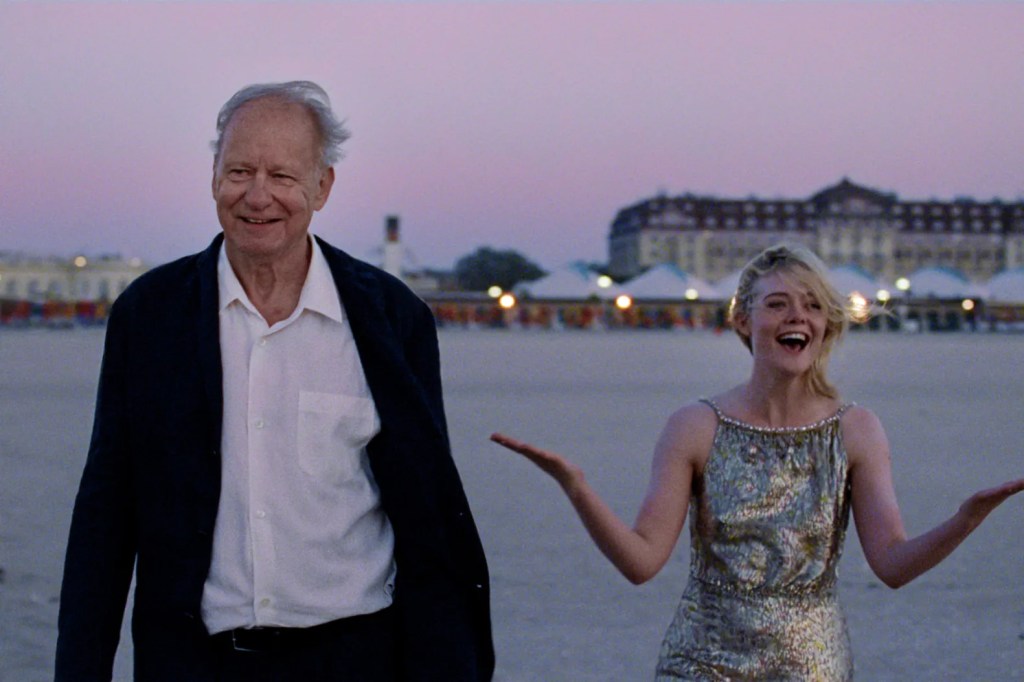
4. Sentimental Value
Joachim Trier’s Sentimental Value is a far quieter film than the rest of the top five in this list, but it is no less a masterful achievement. An artful portrait of a family who can only communicate through art—and even then dysfunctionally—Sentimental Value draws with human lines when it introduces us to renowned Norwegian filmmaker Gustav Borg (Stellan Skarsgård) and his adult daughters Nora (Renate Reinsve) and Agnes (Inga Ibsdotter Lilleaas). By virtue of the haunted family home they have kept in the family for nearly a century, one comes to intuit their malfunction goes back generations, as evidenced by the over-the-hill Gustav wanting to make a final film that is about his suicidal mother… but as played by his estranged daughter. It’s a role Nora also promptly declines, leading to the intrusion of a well-meaning Hollywood starlet (Elle Fanning) who speaks neither Norwegian or Swedish but will attempt all the same to inhabit the mother and child both for an old man.
A film keenly concerned with characters and acting choices, even more so than Trier and Reinsve’s essay about arrested Millennial development, The Worst Person in the World, Sentimental Value lives and dies by what is never said by Gustav and his daughters, lest one of them is behind a camera or the other in front of it. Lilleaas therefore has the most challenging role since she is the only one of the three who grew up not to be an artist. Instead Agnes is a historian, which gives her a sense of perspective on her family’s ennui that the others lack.
Agnes also can see the warmth bubbling in this multigenerational tale, going so far as to extend empathy to interlopers like Fanning’s carefully calibrated performance of a good actor who is simply out of her depth and time zone. The metatextual quality of an actor’s film which is in large part about the neuroses that make great performances possible gives the picture a wry affability. Like Fanning’s character, we’ll never be family here but we enjoy sitting at their table and hearing the old stories that none of them fully understand.
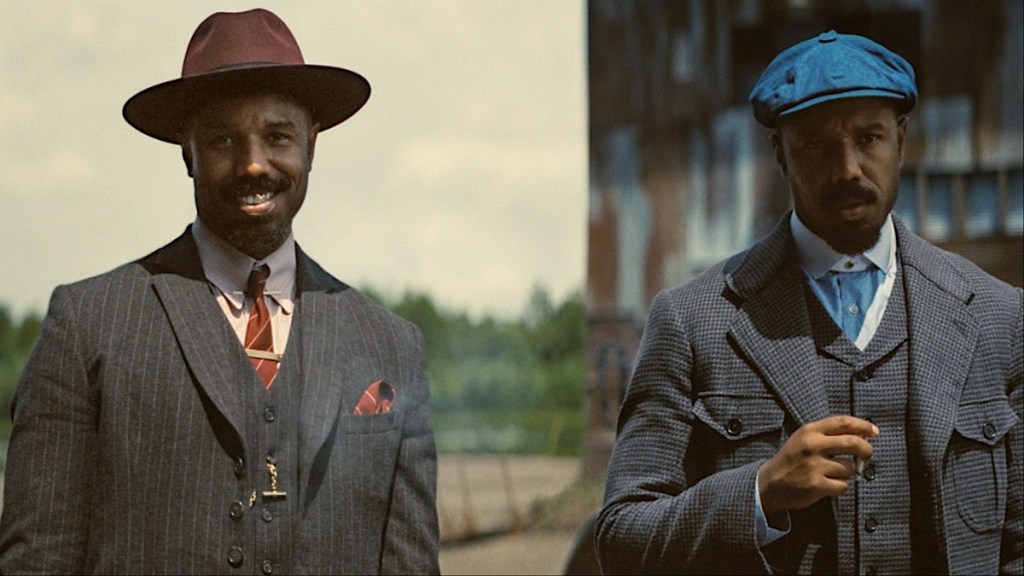
3. Sinners
The fields of cotton can almost look angelic when towering over you on a 76-foot screen. Lined up in neat rows and captured with stunning 65mm IMAX cameras, the Mississippi of Ryan Coogler’s Sinners is vibrant and lush. It also is far more sinister than even the title suggests. When Michael B. Jordan’s dual characters in the film, twin brothers Smoke and Stack, are asked why they came back after making a fortune in Chicago, one answers that everywhere in America is a plantation and “we might as well deal with the devil we know.”
There is indeed an acute knowingness about Coogler’s Sinners which looks soberly at its setting despite washing it in nostalgia for a people and place, if not a time. Coogler has spoken candidly about how this horror movie originally stemmed from his family’s own complex history with Mississippi and stories his uncle passed down. The filmmaker in turn has mythologized them into a great American epic about being Black in the Jim Crow South, and the continuum that ties us all to that moment a hundred years on. But despite featuring such a sobering backdrop, not to mention literal vampires and a hefty body count, Sinners is exhilarating due its rapturous conviviality, a superb ensemble led by two sweating Jordan performances, and of course its music.
Tying into old Southern legends about the allure of a blues guitar playing at midnight in a crossroads, Coogler’s movie peaks when a revelatory Miles Caton croons in a juke joint in what is the movie moment of the year. He connects the past, present, and future of the Black American experience into a metaphysical communion so strong that the living and the dead must take notice. It’s a sequence so grand that it makes you almost pity when the vampires finally show up, though that too is executed with unforgettable showmanship.


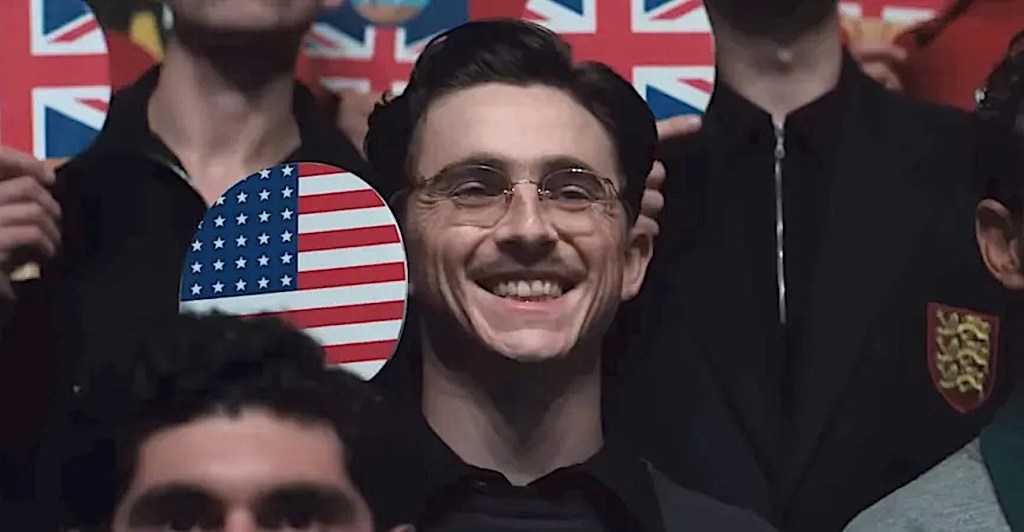
2. Marty Supreme
Timothée Chalamet has described working on a Josh Safdie set as organized chaos, with the director cultivating a sense of spontaneity and surprise among his collaborators. For audiences, it’s closer to blind, grueling panic. In Marty Supreme, however, those same anxiety attacks take on a buzzy triumphalist high. As a film happily drunk on the arrogance of youth, Marty Supreme is a big American movie about a quintessential subscriber to manifest destiny fantasies: Chalamet’s Marty Mauser. Brash, impulsive, and entirely self-centered, he is in many ways the idol of his age, as demonstrated when the film culminates with Marty traveling to the still crumbled ruins of Tokyo to “drop another atomic bomb” on the competition in his chosen field of battle: table tennis.
The sheer absurdity of the crux of Marty’s talent and fixation—a game also known as ping-pong—and the absolutely nightmarish scenarios the character and Safdie create for him to chase it to the ends of the earth, makes for an experience equal parts farcical and operatic. The film flitters between sports movie formulae, gritty period piece naturalism courtesy of its meticulous recreation of 1952 Manhattan, and gangster flick dread. Through it all is an unbowed bravado that miraculously comes across as endearing instead of off-putting. Chalamet has indeed been searching for this material all his life. It’s a cinematic encapsulation of both the joy and disgust of unquenchable ambition, and for 149 minutes, it is absolutely spellbinding.
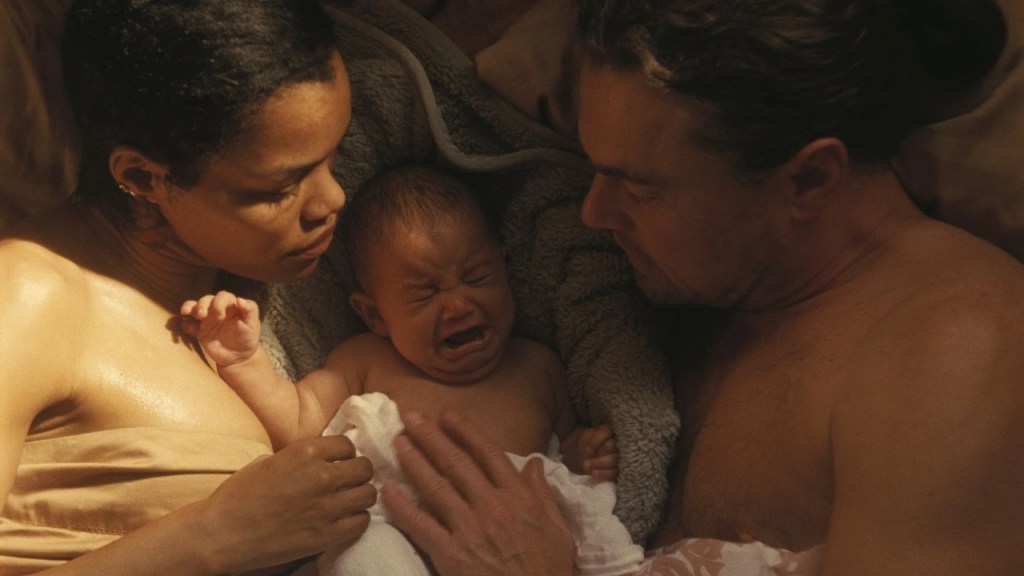
1. One Battle After Another
There are no curves in the road. Nor is there a sharp turn or even a whisper of oncoming traffic. During the climax of Paul Thomas Anderson’s One Battle After Another, one driver is simply following another along a straight line of hilly desert terrain, and it is among the most suspenseful and adrenaline-soaked car chases of the century. Part of this is a credit to how PTA captures the action via pristine VistaVision lenses, but it better encapsulates just how propulsive and gripping cinema can still be when it is channeled by a talent as eager to entertain as he is to provoke.
One Battle After Another is that rare masterpiece of art and commerce; a lean, mean action movie (despite its nearly three-hour running time) that also offers a frank and unnerving depiction of corrupt ICE officials raining an illegal and murderous war down on the underground dissidents of yesteryear. Anderson claims the film’s political subtexts are coincidental since the movie loosely adapts Thomas Pynchon’s eulogy to faded 1960s revolutionaries. But the film’s purposeful structure of tying the flawed idealism of the past and the director’s own generation—represented by another top shelf descent by Leonardo DiCaprio into dimwittery—to that of future generations doomed to inherit our bullshit, a la Chase Infiniti’s teenage daughter conscripted to the culture wars, turns the film into a strangely optimistic and subversive call to the barricades.
Wrapped within that radical flag, One Battle After Another is also many other things: a stoner comedy, an emblem of feminine righteousness and fury personified by Teyana Taylor, and even a droll Coen-esque satire of the racist good ol’ boys who run the world like it’s a WASPy country club located on a Christmas tree farm. They’re even eating sugar cookies while ordering Sean Penn’s soiled GI Joe doll to squeeze Old Glory ever further up his behind.
But most importantly, and poignantly, Anderson’s latest is an addictive piece of cinema that will reward rewatches and debates for all the years, and battles, to come.
The post The Best Movies of 2025 appeared first on Den of Geek.


0 Commentaires